

Meal Planner with Calorie Tracking: Why Planning and Counting Belong in One App
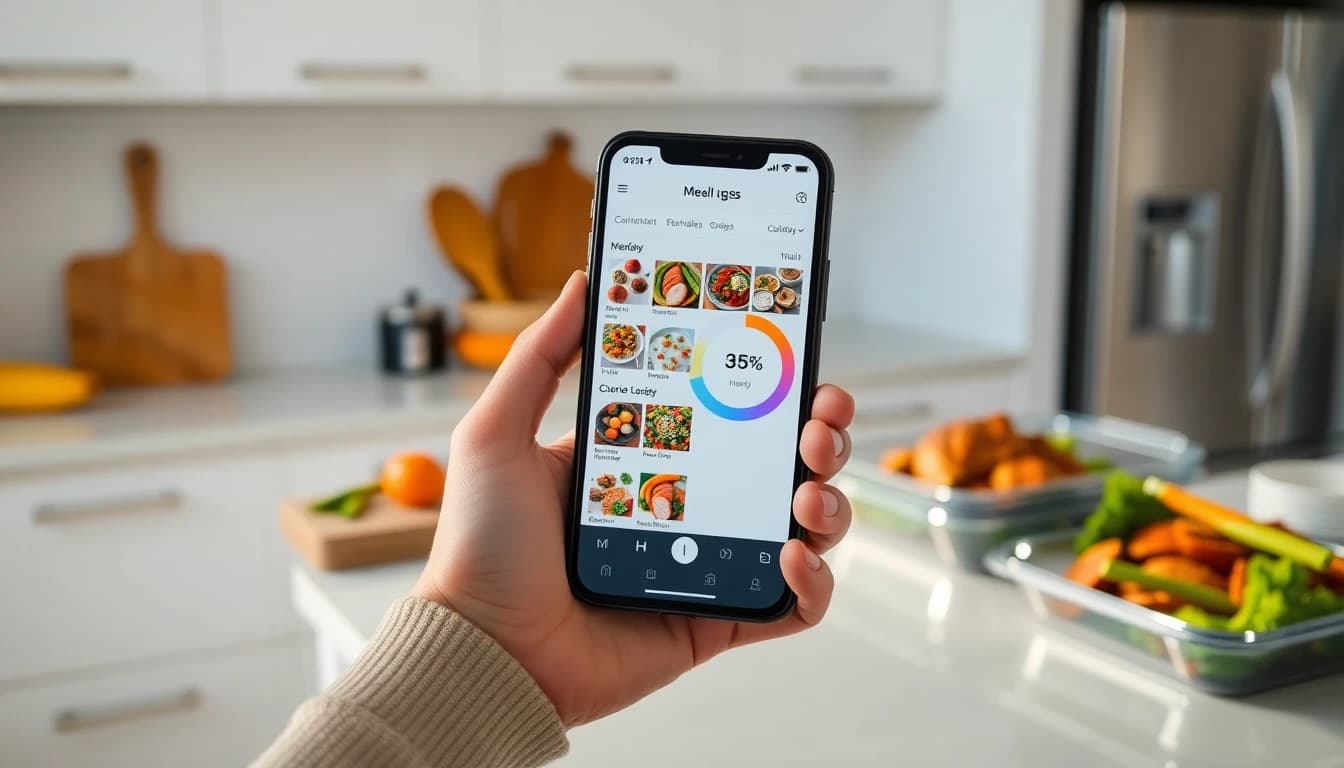
You plan your meals in one place and count your calories in another. Maybe the plan lives in a notes file or a Pinterest board, and the counting happens in a tracker app that has never heard of your grandmother's pasta recipe. Every week, the two disagree about what you ate.
Most people eventually drop one side or the other. They either plan meals with no idea whether the week fits their calorie goal, or they count calories after the fact and discover at 8 PM that dinner has a budget of 180 calories.
A meal planner with calorie tracking built in fixes this by making the plan and the numbers the same thing.
Why calorie counting fails when it's separate from planning
Traditional calorie tracking is reactive. You eat something, you log it, and the app tells you how the day went. By the time you get the feedback, the meal is already gone. It's like checking your bank balance after the shopping trip.
Logging home-cooked meals makes it worse. A single weeknight pasta means searching a database for the pasta, the olive oil, the parmesan, and the tomatoes, one entry at a time, guessing at quantities along the way. That friction is the main reason people abandon food logging within a few weeks.
Planning turns the whole thing around. When your week of meals is decided in advance, each meal can carry its calories and macros with it. Logging a planned dinner takes one tap, because the numbers were attached back when you planned it.
What a meal planner with calorie tracking actually does
Combining the two changes both halves:
- Planning gets a target. Instead of picking seven dinners and hoping for the best, you build a week that already fits your calorie and macro goals. If Thursday's dinner runs heavy, you can balance it with a lighter lunch before the week even starts.
- Tracking gets pre-filled. Every meal on your plan carries its own nutrition data, so logging it is a single tap.
- The extras stay visible. Snacks, restaurant meals, and the cookies that appeared out of nowhere still happen. A barcode scan or a quick search covers those, and you can see at a glance how they fit into the day's totals.
- Your groceries follow the numbers. When the shopping list is generated from the plan , you only buy food for meals that already fit your goals. The snack aisle loses a lot of its pull when nothing in it is on the list.
Setting a calorie goal you can actually cook for
A calorie goal only helps if the food that matches it is food you want to eat. Crash targets tend to produce two weeks of steamed broccoli followed by a month of takeout.
A setup you can live with looks like this:
- Start from your body. Your target should come from your weight, height, activity level, and goal (losing, maintaining, or gaining), and it should update as your weight changes.
- Split it into macros. Enough protein to stay full and keep muscle, with carbs and fats distributed the way you like to eat. New to this? Start with how to track macros as a beginner .
- Plan meals to the target. Most calorie apps skip this step entirely. They hand you a number and leave you alone with it. The meal plan is what turns that number into dinners.
- Adjust weekly. One heavy Saturday won't undo anything. Your body responds to the weekly average.
MenuMagic
MenuMagic started as an AI meal planner, and it now closes the loop with built-in calorie and weight tracking:
- Goals computed for you: Tell it your weight and your goal, and it calculates your daily calorie and macro targets, then recalculates when your weight changes.
- A plan that fits the numbers: Your AI-generated weekly meal plan works within your targets and your dietary preferences, so hitting your calories doesn't require abandoning your diet's restrictions .
- One-tap logging: Meals from your plan are already in the food diary's search, so logging dinner takes seconds instead of a scavenger hunt through a database.
- Barcode scanning and voice input: For everything off-plan, scan the package or just say what you ate. The diary shows exactly which foods contributed to today's calories and macros.
- Weight logging with trends: Log your weight in the same app and watch the trend line, which is the number that tells you whether the plan is working.
Plan, shop, cook, log, adjust, all in the same app. Try it free for 14 days .
Tips for making the plan-and-track loop stick
Cook the plan first. The more of your week comes from the plan, the less logging is left to do. Start with dinners, since they're the biggest calorie decision of the day.
Don't chase perfect numbers. Nutrition data is an estimate everywhere, in every app. Landing within 10% of your target every day does far more for you than obsessing over exact figures.
Weigh yourself on a rhythm. Morning, a few times a week, and read the trend over weeks. Daily fluctuations are mostly water.
Let the plan absorb real life. Ate out on Wednesday? Log it roughly and let the rest of the planned week do its job. An 80% planned week still beats an untracked one.
FAQs
Is there an app that plans meals and counts calories?
Yes. MenuMagic combines AI weekly meal planning with a built-in food diary. It computes your calorie and macro targets from your weight and goal, generates meal plans that fit them, and lets you log planned meals with one tap and off-plan foods by barcode or voice.
Can I meal plan based on a calorie goal?
That's exactly what a calorie-aware meal planner does. You set the target first, and the week is built to fit it, including your dietary restrictions and taste preferences. There's nothing to add up afterward, because the plan was within budget from the start.
What's the easiest way to track calories in home-cooked meals?
Plan the meal first. When a recipe is on your meal plan, its nutrition is calculated once from the ingredients, and every time you cook it, logging is a single tap. Logging ingredient by ingredient after the fact is the hardest possible way to do it.
Do I need to track calories every day for it to work?
No. Consistency over weeks matters more than perfection on any single day. A mostly planned week with rough logging on the chaotic days still gives you an accurate enough picture to adjust from.
Done juggling a meal planner and a calorie counter? MenuMagic plans your week around your calorie and macro goals, then makes logging a one-tap job. Try it free for 14 days.
Put this method to work
Turn what's already in your fridge into recipes, or grab the printable grocery list.
More posts
 MenuMagic
Recipes
Vegan recipes
Vegetarian recipes
Keto recipes
Protein recipes
Lactose-free recipes
Gluten-free recipes
Low glycemic index recipes
Resources
Blog
Recipe Generator
Leftovers Recipe Generator
Printable Shopping List
Kitchen Measurement Converter
Calorie Calculator
Seasonal Fruits and Vegetables
Our other apps
WindNow
Our other apps
WindNow


© 2026 MenuMagic.
All rights reserved.