

How to Make a Grocery List from Your Meal Plan: The Complete Guide
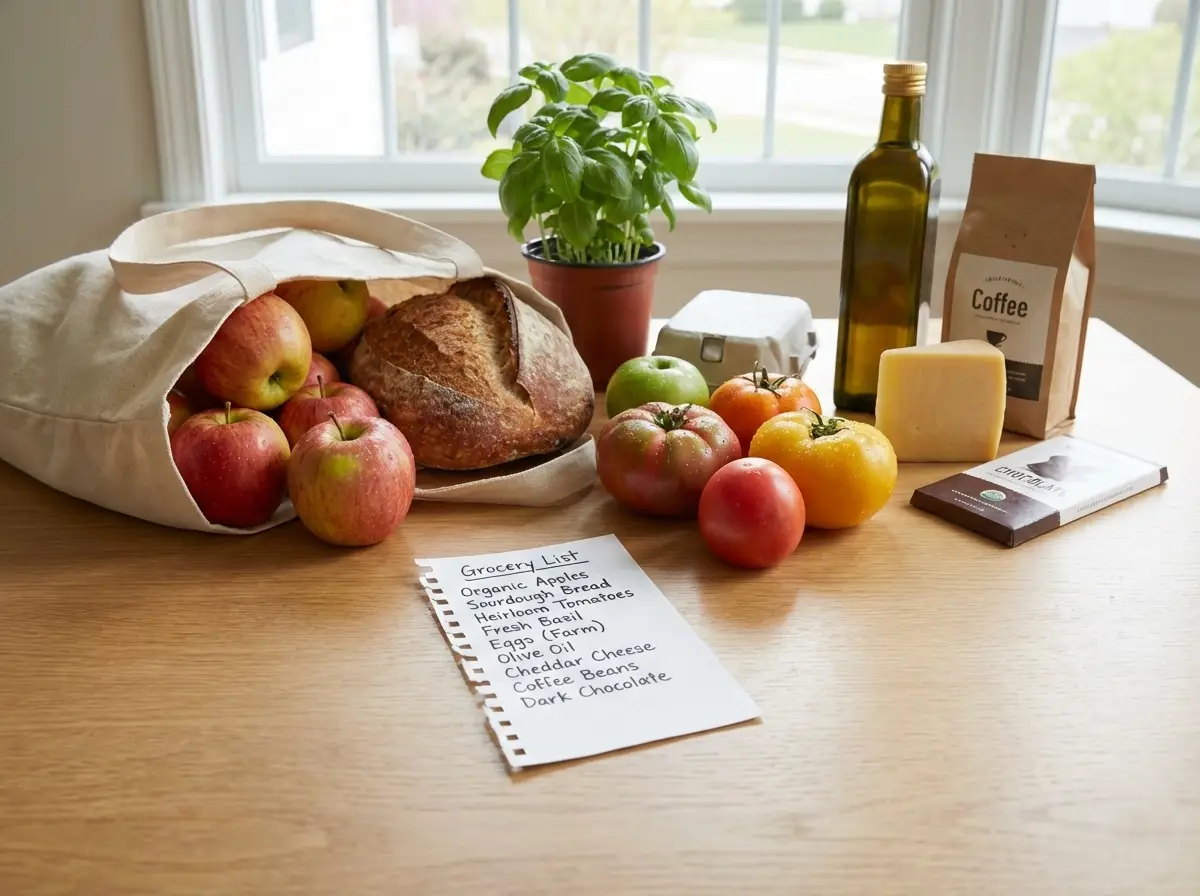
Tired of wandering grocery store aisles, forgetting ingredients, or making multiple trips each week? Learning how to make a grocery list from your meal plan is the solution. This simple habit transforms chaotic shopping into an efficient, stress-free routine.
A meal plan with a grocery list keeps you organized, reduces food waste, and ensures you always have what you need to prepare healthy, delicious meals. Whether you're a grocery shopping beginner or looking to streamline your current routine, this guide walks you through creating the perfect weekly meal plan and grocery list.
Why Making a Grocery List from Your Meal Plan Matters
The connection between meal planning and organized grocery shopping is powerful. When you create a grocery list directly from your meal plan, you eliminate guesswork and make smarter decisions at the store.
"When you plan your meals, you're more likely to have healthier foods available at home. Research shows that people who plan meals tend to have better diet quality and more food variety" [1] .
Key Benefits of Meal Plan-Based Grocery Lists
| Benefit | How It Helps |
|---|---|
| Reduced Food Waste | Buy only what you need for planned meals |
| Time Savings | Shop once with a complete, organized list |
| Healthier Eating | Plan balanced meals instead of impulse decisions |
| Less Stress | Know exactly what to buy and cook each day |
| Fewer Store Trips | Eliminate forgotten ingredient emergencies |
Studies show that American households throw away approximately 30-40% of their food supply [2] . Creating a grocery list from your meal plan directly addresses this issue by ensuring you purchase only what you'll actually use.
How to Make a Grocery List from a Meal Plan in 5 Steps
Follow these steps to transform your weekly meal plan into an organized grocery list that makes shopping effortless.
Step 1: Create Your Weekly Meal Plan
Start by planning your meals for the upcoming week. Consider these factors:
- Family schedule: Note busy nights that need quick meals
- Dietary preferences: Account for any restrictions (gluten-free, vegetarian, keto, etc.)
- Household size: Plan portions appropriate for your family
- Leftovers: Build in nights to use planned extras
A good weekly meal plan and grocery list begins with realistic expectations. Plan 5-6 dinners and leave flexibility for leftovers or unexpected plans.
"Meal planning is the simple act of taking time to plan some or all of your meals for the week. It's one of the best ways to set yourself up for healthier eating" [3] .
Step 2: Inventory Your Kitchen
Before writing your grocery list, check what you already have. This prevents buying duplicates and helps use ingredients before they expire.
Conduct a quick inventory of:
| Area | What to Check | Why It Matters |
|---|---|---|
| Refrigerator | Fresh produce, dairy, proteins | Avoid buying what you already have |
| Freezer | Frozen proteins, vegetables, prepared meals | Use what needs rotating |
| Pantry | Dry goods, canned items, spices | Ensure you have recipe staples |
| Counter | Bananas, potatoes, onions, garlic | Check ripeness and quantities |
Apps like MenuMagic can generate grocery lists from your meal plan, making it easy to shop for exactly what you need.
Step 3: Extract Ingredients from Each Planned Meal
Go through each meal on your plan and list every ingredient required. This is where many people struggle - it's tedious but essential.
For each recipe, note:
- All ingredients (don't assume you have basics)
- Exact quantities needed
- Any substitutions for dietary needs
Here's an example of extracting ingredients from a simple weekly dinner plan:
| Meal | Key Ingredients |
|---|---|
| Monday: Grilled Chicken Salad | Chicken breast, mixed greens, tomatoes, cucumber, olive oil |
| Tuesday: Vegetable Stir-Fry | Tofu, broccoli, bell peppers, soy sauce, rice |
| Wednesday: Pasta Primavera | Pasta, zucchini, cherry tomatoes, garlic, parmesan |
| Thursday: Salmon with Vegetables | Salmon fillets, asparagus, lemon, dill |
| Friday: Homemade Pizza | Pizza dough, mozzarella, tomato sauce, toppings |
Step 4: Consolidate and Organize by Category
Once you've listed all ingredients, combine duplicates and organize by store section. This grocery list organized by category saves significant shopping time.
Standard grocery list categories:
- Produce – Fresh fruits and vegetables
- Dairy & Eggs – Milk, cheese, yogurt, eggs
- Meat & Seafood – Proteins for the week
- Bakery & Bread – Fresh bread, tortillas, rolls
- Pantry Staples – Rice, pasta, canned goods, oils
- Frozen Foods – Frozen vegetables, fruits, prepared items
- Condiments & Sauces – Dressings, cooking sauces, spices
"Organizing your grocery list by store aisle can cut your shopping time in half and reduce impulse purchases" [4] .
Step 5: Adjust Quantities for Your Household
The final step is scaling your list to match your household size. A grocery list for one person looks very different from a grocery list for a family of 4.
General quantity guidelines:
| Household Size | Protein per Meal | Vegetables per Meal | Grains per Meal |
|---|---|---|---|
| 1 Person | 4-6 oz (115-170g) | 1-2 cups (100-200g) | ½ cup (75g) |
| 2 People | 8-12 oz (225-340g) | 2-4 cups (200-400g) | 1 cup (150g) |
| Family of 4 | 1.5-2 lbs (680-900g) | 4-6 cups (400-600g) | 2 cups (300g) |
| Family of 6 | 2-3 lbs (900g-1.4kg) | 6-8 cups (600-800g) | 3 cups (450g) |
MenuMagic automatically adjusts recipe quantities based on your household size, ensuring your grocery list contains the right amounts for your family.
Organizing Your Grocery List for Maximum Efficiency
A well-organized grocery list does more than remind you what to buy - it guides you through the store efficiently.
Why Store Layout Organization Matters
Research shows the average grocery shopping trip takes 41 minutes [5] . An organized grocery list by category can reduce this significantly by:
- Eliminating backtracking through aisles
- Reducing decision fatigue while shopping
- Preventing forgotten items in distant sections
- Making the shopping experience less stressful
Grocery Lists for Different Dietary Needs
One major advantage of creating a grocery list from your meal plan is the ability to customize for specific dietary requirements.
Gluten-Free Grocery List Essentials
| Category | Gluten-Free Options |
|---|---|
| Grains | Rice, quinoa, certified GF oats, corn |
| Proteins | Fresh meat, fish, eggs, legumes |
| Dairy | Most plain dairy products (check labels) |
| Pantry | GF pasta, rice flour, almond flour |
| Watch For | Hidden gluten in sauces, seasonings, processed foods |
Vegetarian & Vegan Grocery List Staples
Plant-Based Protein Sources:
- Tofu and tempeh
- Legumes (lentils, chickpeas, black beans)
- Nuts and seeds
- Quinoa (complete protein)
- Edamame
Nutrient-Rich Additions:
- Nutritional yeast (B12)
- Fortified plant milks
- Dark leafy greens (iron, calcium)
- Chia and flax seeds (omega-3s)
Keto Grocery List Basics
| Include | Limit or Avoid |
|---|---|
| Eggs, cheese, butter | Bread, pasta, rice |
| Fatty fish, meat | Sugary fruits |
| Avocados, olive oil | Beans, legumes |
| Low-carb vegetables | Starchy vegetables |
| Nuts and seeds | Processed snacks |
MenuMagic's dietary customization features automatically filter recipes and generate appropriate grocery lists based on your specific dietary preferences, whether you're following keto, vegan, gluten-free, or any other eating style.
Common Grocery List Mistakes (And How to Avoid Them)
Even experienced shoppers make these errors. Here's how to keep your grocery list from meal plan strategy on track:
Mistake 1: Not Checking Your Pantry First
The Problem: Buying duplicates of items you already have leads to cluttered pantries and wasted food.
The Solution: Always inventory your kitchen before creating your grocery list. A quick check of your fridge, freezer, and pantry takes just a few minutes and prevents wasteful duplicate purchases.
Mistake 2: Being Too Vague
The Problem: Writing "vegetables" or "chicken" without specifics leads to confusion at the store.
The Solution: Be specific with quantities and types:
- ❌ "Chicken" → ✅ "2 lbs boneless skinless chicken breast"
- ❌ "Vegetables" → ✅ "1 head broccoli, 2 bell peppers, 1 bag spinach"
Mistake 3: Ignoring Household Size
The Problem: Following recipes without adjusting for your household leads to too much or too little food.
The Solution: Scale recipes based on the number of people you're feeding and their appetites. A grocery list for one person needs different quantities than a grocery list for a family of 4.
Mistake 4: Not Organizing by Store Section
The Problem: A random list leads to crisscrossing the store multiple times.
The Solution: Group items by where they're located in the store (produce, dairy, meat, etc.) before you shop.
Mistake 5: Forgetting Meal Prep Components
The Problem: Planning great meals but forgetting storage containers, aluminum foil, or other prep essentials.
The Solution: Include a "meal prep supplies" section on your grocery list when needed.
Automating Your Meal Plan to Grocery List Process
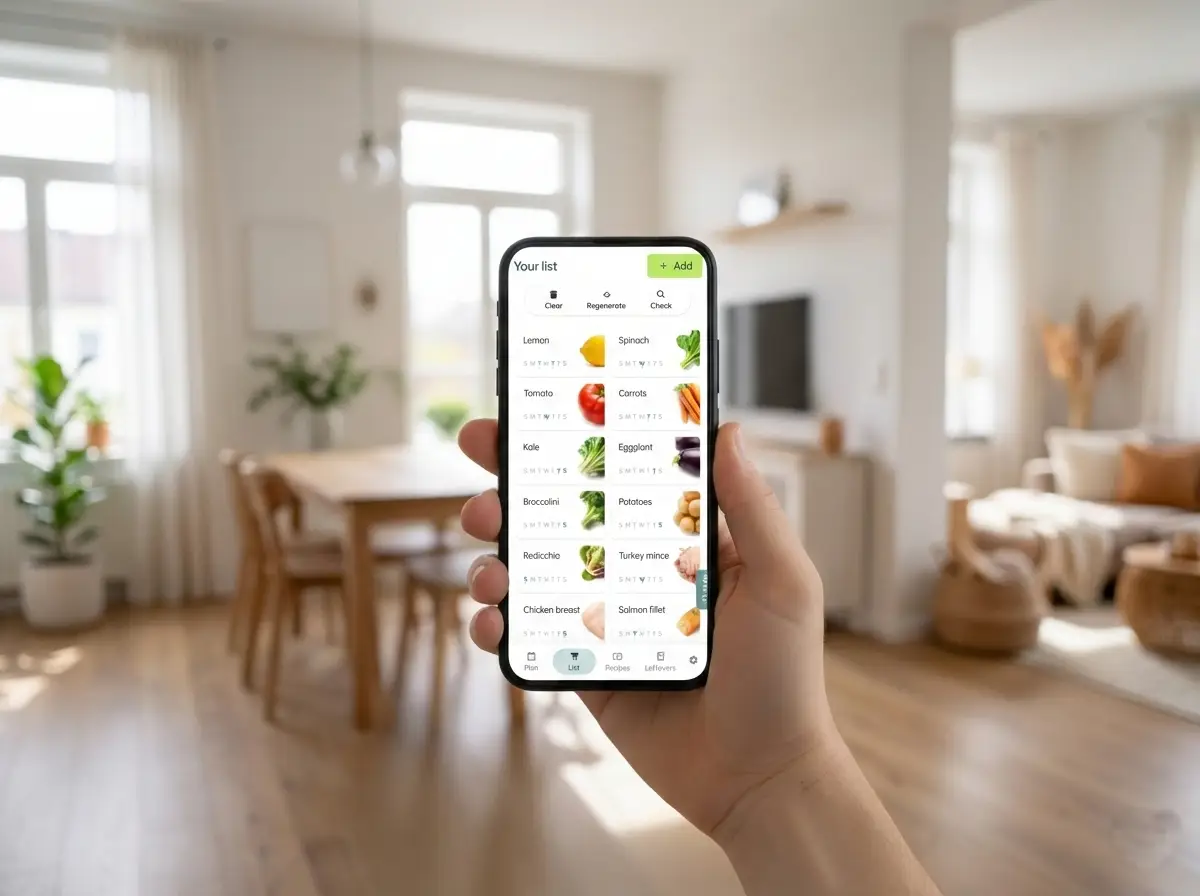
While manual list creation works, automation tools can transform this from a 30-minute task into a 30-second click.
How MenuMagic Streamlines Your Grocery List
MenuMagic is designed specifically to solve the meal plan to grocery list challenge:
| Feature | How It Helps |
|---|---|
| Automatic List Generation | Select your meals and get a complete grocery list instantly |
| Smart Categorization | Lists are automatically organized by store section |
| Household Size Adjustment | Scales quantities for your family |
| Dietary Filters | Customizes for allergies, preferences, and restrictions |
| Recipe Consolidation | Combines duplicate ingredients across multiple recipes |
"Making a food inventory is the process of looking through your kitchen, fridge, freezer, and pantry to find what foods you already have, how much of each item, and how soon the food is going to go bad" [6] .
The Time-Saving Impact
Meal planning typically takes 30-45 minutes per week when done manually. MenuMagic's AI-powered meal planning can reduce this to under 10 minutes, including automatic grocery list generation.
Manual vs. Automated Process:
| Task | Manual Time | With MenuMagic |
|---|---|---|
| Plan weekly meals | 15-20 min | 3-5 min |
| Extract ingredients | 10-15 min | Automatic |
| Organize by category | 5-10 min | Automatic |
| Check pantry inventory | 5-10 min | 5-10 min |
| Total | 35-55 min | 3-5 min |
Grocery List Tips for Beginners
If you're new to creating a grocery list from a meal plan, these tips will help you get started:
Start Simple
Begin with 3-4 planned meals rather than trying to plan every meal for the week. This reduces overwhelm and lets you build the habit gradually.
Use Recipe Overlap
Choose recipes that share common ingredients:
- Shared protein: Make tacos Monday, use leftover chicken in salads Wednesday
- Shared vegetables: Buy one bag of spinach for multiple meals
- Shared grains: Cook extra rice for stir-fry and burrito bowls
Keep a Running List
Post a notepad in your kitchen (or use a shared digital list) where household members can add items as they run out. This becomes the foundation of your next grocery list.
Plan for Leftovers
A menu plan saves money by reducing trips to the supermarket and cutting impulse spending. Using leftovers efficiently reduces food waste, while planned buying makes it easy to prepare freezer meals for busy nights.
Build one or two "leftover nights" into your weekly plan. This reduces the number of new meals (and ingredients) you need to plan.
Frequently Asked Questions
How do I make a grocery list from a meal plan?
Start by planning your meals for the week, then extract every ingredient needed from each recipe. Check your pantry for items you already have, consolidate duplicate ingredients, organize your list by store section, and adjust quantities for your household size.
What should be on a basic grocery list?
A basic grocery list should include fresh produce (fruits and vegetables), proteins (meat, fish, eggs, or plant-based options), dairy products or alternatives, whole grains (bread, rice, pasta), pantry staples (oils, spices, canned goods), and any specific ingredients for planned meals.
How do I organize my grocery list by category?
Group items by where they're found in the store: produce, dairy & eggs, meat & seafood, bakery, pantry staples, frozen foods, and household items. This prevents backtracking and speeds up your shopping trip.
How often should I make a grocery list?
Most households benefit from creating a weekly grocery list tied to their meal plan. Some prefer shopping twice weekly for fresher produce. Choose a frequency that matches your schedule and storage capacity.
What's the best way to create a meal plan with grocery list?
The most efficient method is using a meal planning tool like MenuMagic that automatically generates organized grocery lists from your selected recipes. This eliminates manual ingredient extraction and ensures nothing is forgotten.
How can I avoid forgetting items at the grocery store?
Always shop with a written or digital list, organize it by store section, check your pantry before shopping, and use a meal planning app that tracks your inventory and generates complete lists.
Make Your Grocery List Work Harder
Creating a grocery list from your meal plan is one of the most effective ways to streamline your household routine. The benefits compound over time: less food waste, fewer forgotten ingredients, shorter shopping trips, and healthier eating.
Key takeaways:
- Always start with your meal plan before creating your grocery list
- Check your pantry inventory to avoid duplicates
- Organize your list by store section for faster shopping
- Adjust quantities based on your household size
- Consider automation tools like MenuMagic to save time
Whether you prefer the satisfaction of a handwritten list or the efficiency of an automated grocery list from your meal plan, the important thing is having a system that works for you. Start with these strategies this week, and you'll wonder how you ever shopped without a plan.
References
[1] Ducrot P, et al. "Meal planning is associated with food variety, diet quality and body weight status in a large sample of French adults." Int J Behav Nutr Phys Act. 2017.
[2] EPA. "Reducing Wasted Food At Home." United States Environmental Protection Agency.
[3] Academy of Nutrition and Dietetics. "Food Planning and Preparation."
[4] Real Simple. "Food Shopping and Storing."
[5] Statista. "Average time spent on grocery shopping in the United States."
[6] Rider, Anna. "How to Do a Food Inventory." Garlic Delight.
Put this method to work
Generate a week of recipes from what's already in your fridge, or grab the printable grocery list.
More posts
 MenuMagic
Recipes
Vegan recipes
Vegetarian recipes
Keto recipes
Protein recipes
Lactose-free recipes
Gluten-free recipes
Low glycemic index recipes
Resources
Blog
Recipe Generator
Leftovers Recipe Generator
Printable Shopping List
Kitchen Measurement Converter
Calorie Calculator
Seasonal Fruits and Vegetables
Our other apps
WindNow


© 2026 MenuMagic.
All rights reserved.